West Asia Developments - Gulf Region and Adjacent Supply Chains: Ongoing Risks Amid Strait of Hormuz Disruptions Affecting Energy and Food Security Systems
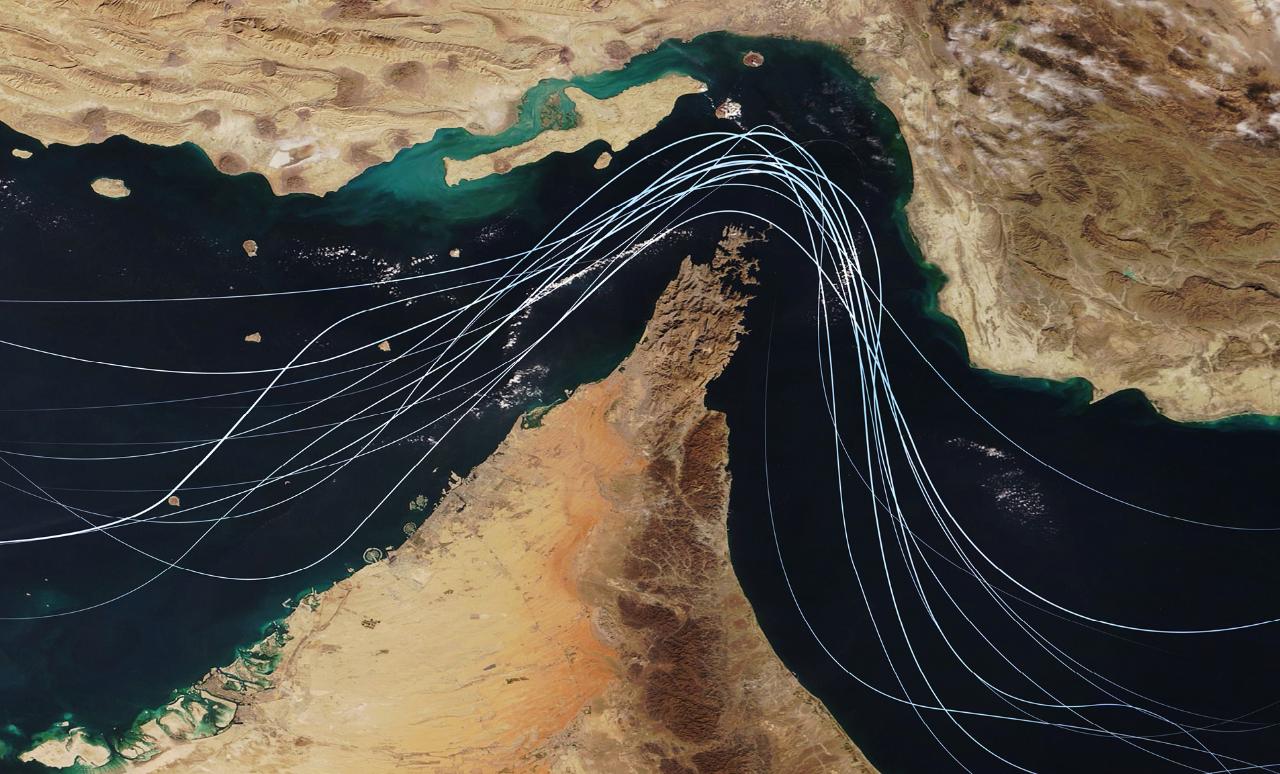
Joint US-Israeli military operations against Iran commenced on February 28, 2026, prompting Iranian retaliatory strikes across Gulf Cooperation Council (GCC) states and resulting in an effective closure of the Strait of Hormuz from March 4, 2026. The UN Security Council convened in emergency session on February 28, 2026, with the Secretary-General warning of potential uncontrolled regional escalation.
Active hostilities have persisted through March 25, 2026, marking the 25th day of the conflict. Backchannel diplomatic efforts intensified as of March 24, 2026, with Pakistan, Turkey, Egypt, and Oman facilitating indirect communication. Islamabad has emerged as a potential venue for direct engagement. While Iran has denied engaging in direct negotiations, it has acknowledged receiving messages indicating the US interest in dialogue.
The UN World Food Programme (WFP) warned on March 17, 2026, that an additional ~45 million people could face acute food insecurity if the conflict continues beyond mid-year and oil prices remain above US$100 per barrel, pushing the global total to approximately 363 million.
Supply Wisdom recommends real-time, continuous monitoring of geopolitical conflict alerts, Strait of Hormuz shipping incident tracking, and commodity pricing intelligence as well as any other disruptions that could affect operations, given today’s complex regulatory landscape. Read on for key insights into West Asian escalation risks and the diplomatic fragility reshaping global supply chain exposure across energy, food, and industrial materials sectors.
Key Findings
Strait of Hormuz Closure and Largest-Ever International Energy Agency (IEA) Emergency Oil Release: Military operations against Iran that commenced February 28, 2026, triggered the closure of the Strait of Hormuz, through which approximately 20 million barrels of oil per day and one-fifth of global liquefied natural gas (LNG) trade normally transits. The IEA characterized the resulting supply disruption as the largest in the history of the global oil market. The IEA authorized the release of 400 million barrels of oil from member-state emergency reserves on March 11, 2026, the largest emergency collective action in its 50-year history. Analysts assessed that the 400 million barrels equated to approximately 20 days of typical Hormuz flow, insufficient to offset the full supply gap while transit remained disrupted.
Oil Price Surge and Monetary Policy Compression Across Key Economies: Brent crude oil surged to US$120 per barrel, and global LNG supply was curtailed by 20% following the effective closure of the Strait of Hormuz. Bloomberg confirmed on March 15, 2026, that global stocks had lost 5.5% since the conflict began, their worst monthly performance since 2022, with Asia bearing the greatest impact. Traders pushed back expectations for the next US Federal Reserve interest rate cut to mid-2027 as resurgent inflation recalibrated monetary policy timelines.
Diplomatic Processes Continue Amid Varying Degrees of Coordination: Pakistan, Turkey, Egypt, and Oman are engaged as intermediaries, with CNN reporting all four countries are facilitating communication aimed at supporting a ceasefire and ensuring safe passage through the Strait of Hormuz. Iran formally denied direct negotiations while acknowledging receipt of messages from intermediaries. The International Crisis Group assessed that with neither side positioned for a decisive outcome, risks of further escalation remain elevated and a near-term ceasefire remains a key priority.
WFP Projects Record Global Food Insecurity from Conflict-Driven Energy Shock: The WFP warned on March 17, 2026, that almost 45 million more people could fall into acute food insecurity if the conflict does not end by mid-year and oil prices remain above US$100 per barrel. WFP’s Deputy Executive Director stated that supply chains are approaching significant disruption since the COVID-19 pandemic. A quarter of global fertilizer supplies transit the Strait of Hormuz, directly threatening the sub-Saharan African planting season.
Federal Reserve Bank of Dallas Models 2.9 Percentage Point GDP Growth Reduction: The Federal Reserve Bank of Dallas modeled that a full-quarter Strait of Hormuz closure removing close to 20% of global oil supplies is projected to raise West Texas Intermediate (WTI) oil prices to approximately US$98 per barrel and lower global real GDP growth by an annualized 2.9 percentage points in the second quarter of 2026. The World Economic Forum (WEF) characterized the conflict as a structural shock to the world economy delivered at a moment of geo-economic fragility, noting that higher energy costs are feeding directly into production costs for steel, chemicals, and electronics globally.
Qatar Energy Force Majeure and Non-Linear LNG Restart Risk: Qatar Energy declared force majeure on its LNG export contracts following the effective Strait of Hormuz closure. Analysts confirmed that restarting LNG production carries non-linear risk. Cryogenic equipment requires a careful slow restart process to avoid thermal shock and potential equipment damage, meaning higher energy prices may persist well beyond any eventual end to military hostilities.
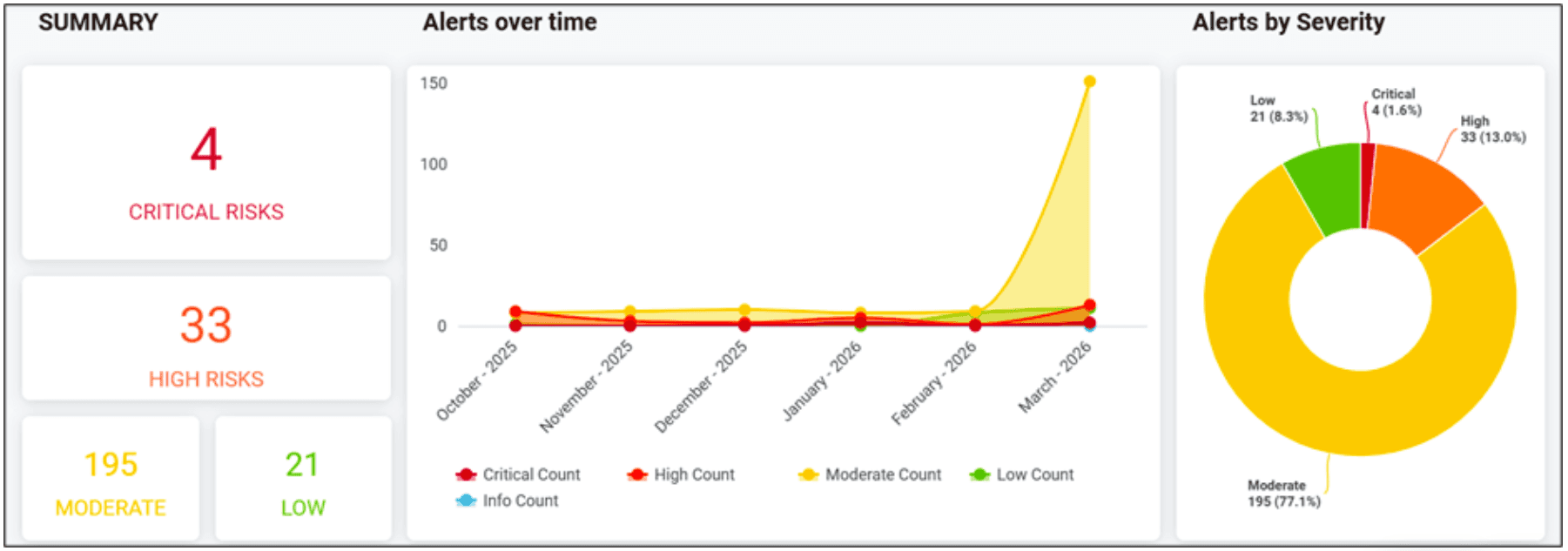
Source: Supply Wisdom Alerts covering the Strait of Hormuz Disruptions impacting Middle East Business Disruption/ Shutdown, Infrastructural Disruption, Food Security, Energy Crisis, Sabotage of Critical Infrastructure, Trade, War/Invasion, and Resource Shortage/Suspension of Services/Products from October 01, 2025, to March 24, 2026
Value of Continuous Monitoring
Geopolitical conflict alert monitoring covering West Asia provided the earliest operational signal that a notable supply chain disruption was developing. Diplomatic records indicate that as recently as February 25, 2026, Iran’s foreign minister described a potential agreement to avert conflict as within reach. The shift from a near breakthrough to military operations within three days highlights how rapidly geopolitical risk can translate into supply chain disruption when monitoring frameworks lack limited real-time visibility.
Multi-category intelligence combines commodity pricing, logistics incident tracking, and monitoring of United Nations Security Council activity. The IEA emergency reserve release on March 11, 2026, briefly lowered Brent crude prices before they rebounded, creating a short window for organizations to secure forward procurement at lower rates. Monitoring draft actions, including United Nations Security Council Resolution 2817 and competing Russian and French proposals, also helped assess the likelihood of a diplomatic outcome in near real time.
The simultaneous disruption across energy, food, fertilizer, and maritime freight highlights the need for monitoring to extend beyond crude oil price movements to include a broader range of industrial input exposures across the Gulf corridor. It also emphasizes the importance of tracking supplier financial health indicators to identify when supply constraints and rising production costs may begin to impact contractor financial stability across active project pipelines.
Cascading Risk Evolution Identified Through Continuous Monitoring
Analysis reveals how the Strait of Hormuz closure, following Iranian retaliatory action from March 4, 2026, cascaded through three interconnected layers of supply chain risk. The energy shock triggered in Layer 1 transmitted into food, fertilizer, and industrial cost escalation in Layer 2, which then eroded diplomatic resolution timelines in Layer 3 by raising the economic cost of continued conflict faster than mediation frameworks could advance.
Strait of Hormuz Closure – Energy Supply Shock: Iranian retaliatory action from March 4, 2026, significantly disrupted the Strait of Hormuz, removing approximately 20 million barrels of oil per day and about 20% of global LNG supply from accessible trade routes. The IEA described the disruption as the largest oil supply shock in global market history. Brent crude surged to around US$120 per barrel, while the emergency 400-million-barrel reserve release covered only about 20 days of typical Hormuz flows. Pre-conflict geopolitical monitoring, particularly February 25, 2026, diplomatic near-breakthrough, could have provided a 48-72-hour window for critical procurement actions.
Energy Cost Transmission – Food, Fertilizer, and Industrial Materials: With the strait closure already removing 20% of global oil and LNG supply, energy costs surged across food production, fertilizer manufacturing, and industrial processing chains. The WFP assessed that 45 million more people could fall into acute food insecurity if the conflict persisted to mid-year and oil prices remained above US$100 per barrel. A quarter of global fertilizer supplies transit the strait, posing risks to crop yields as sub-Saharan Africa enters its planting season. Commodity pricing intelligence monitoring surfaces with this transmission within days of a strait closure.
Diplomatic Fragility Amplified by Humanitarian Deterioration: The convergence of the energy shock and the humanitarian cost escalation cascaded into a fragmentation of the diplomatic resolution pathway. Continuous geopolitical intelligence monitoring tracking leadership succession, intermediary country positioning, and the UN Security Council drafting activity provides the only mechanism for detecting whether mediation channels will harden into durable ceasefire architecture before further deterioration forecloses that possibility.
Cascade Risk Amplification - Integrated Intelligence over Single-Stream Feeds: Sequential escalation across energy, food, and diplomatic layers confirmed that crude oil price monitoring alone was wholly insufficient. Integrated geopolitical alert feeds, shipping incident tracking, the UN Security Council activity monitoring, and supplier financial health intelligence provided the lead time required to activate contract escalation clauses, diversify material sourcing, and protect project delivery commitments before multi-quarter cost accumulation affected the financial viability of live project portfolios.
Supply Wisdom Alerts
Critical Impact
March 2026:
Multiple Countries - Iran Declares Closure of Strait of Hormuz; Shipping Disruptions and Tankers Set Ablaze as Middle East Conflict Intensifies - Oil & Gas Prices Surge Globally
High Impact
March 2026:
Multiple Countries - Operational Disruptions Reported as Energy Companies Invoke Force Majeure and Suspend Shipments Amid Middle East War
Asia - Fuel Crisis Reported Amid Plunging Middle East Exports via the Strait of Hormuz - Multiple Governments Issues Energy-Saving Order, Educational Institutions Closed, and Price Cap on Petroleum Products Announced
Australia - Regional Fuel Shortages Intensify Amid Supply Disruptions from Strait of Hormuz Tensions and Iran Conflict
Moderate Impact
March 2026:
Qatar - Qatar Energy Declares Force Majeure on LNG Contracts After Iranian Drone Strikes on Key Facilities
Asia - Saudi Aramco Reduces Oil Shipments to Asian Buyers for April 2026 Amid Strait of Hormuz Disruptions; Business Disruptions Reported
Iraq - Declares Force Majeure on Foreign-Operated Oilfields as Strait of Hormuz Disruptions Halt Crude Exports
Qatar - Iranian Attacks Disable 17% of Liquefied Natural Gas Capacity, ~US$20 B Annual Revenue Hit; Repairs May Take 3–5 Years
Middle East and Gulf - War Disrupts Pharma Supplies Raising Risks for Cancer Patients
India - Trade Disruptions Anticipated as Shipping and Logistics for Agricultural Exports Face Risks Amid West Asia Conflict - Potential Impacts on Farmers, Food Processors, and Exporters Expected
Low Impact
March 2026:
ADNOC Gas - Liquefied Natural Gas Output Adjusted as Strait of Hormuz Disruption Impacts Supply
Brazil - Warns on Fertilizer Supply Risks and Higher Prices Due to Trade Disruption Amid Middle East War
China - Government Instructs Oil Refiners to Suspend Fuel Exports to Secure Domestic Supply Amid Middle East Conflict
USA - President Urges Other Countries to Help Secure the Strait of Hormuz Amid US-Israel War on Iran
Recap
The West Asia conflict, now in its 25th day as of March 25, 2026, has produced a structural energy and supply chain shock that the IEA characterized as the largest oil market disruption in history. The Strait of Hormuz has been effectively closed since March 4, 2026, removing approximately 20 million barrels of oil per day and 20% of global LNG supply from accessible trade corridors. The IEA’s emergency 400-million-barrel reserve release, the largest in the agency’s 50-year history, was not sufficient to restore market stability in the absence of physical transit resumption, confirming that policy interventions cannot substitute for Strait reopening.
Emerging diplomatic channels have not yet been translated into a verified ceasefire framework. Pakistan, Turkey, Egypt, and Oman are facilitating communication between the parties, with Islamabad positioned as a potential venue. Iran publicly denied direct negotiations while acknowledging messages from friendly countries, creating a disconnect between diplomatic signaling and operational de-escalation. The International Crisis Group assessed escalation risks as elevated, with outstanding issues including Iran’s nuclear file, missile capabilities, and a significantly strained GCC relationship remaining unresolved regardless of any immediate ceasefire. The WEF confirmed higher energy costs are feeding directly into production costs for steel, chemicals, and electronics globally.
Organizations with supply chain exposure to energy, food, fertilizer, and maritime freight are operating in an environment in which the Federal Reserve Bank of Dallas modeled a 2.9 annualized percentage point reduction in global real Gross Domestic Product (GDP) growth for the second quarter of 2026 if Strait disruption persists. Continuous monitoring of geopolitical alert feeds, UN Security Council activity, intermediary country positioning, and commodity pricing indices provides a key mechanism for assessing whether the diplomatic architecture coalescing around Pakistan-hosted talks will develop into a durable resolution framework before further humanitarian and supply chain pressures limit that possibility.